19 Nov 2026
Algorithmic Recommendation Engines and How They Surface Limited-Time Incentives on Portable Gaming Devices
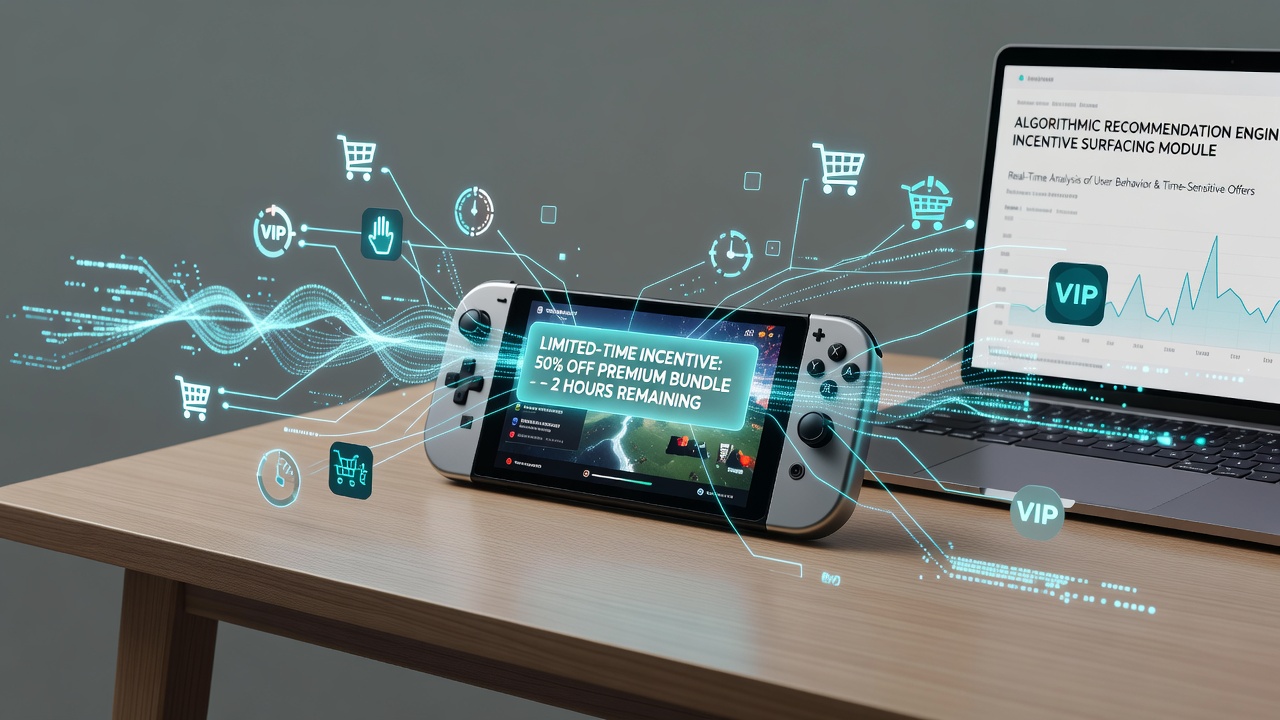
Recommendation engines on portable gaming devices process user data to identify patterns and deliver time-sensitive offers, and these systems rely on machine learning models that analyze play history, device location, and interaction frequency. Data from app stores shows that such engines prioritize offers tied to events like seasonal challenges or flash sales, which appear in November 2026 during holiday periods when engagement metrics typically rise across handheld platforms. Researchers at institutions including the Massachusetts Institute of Technology have documented how collaborative filtering techniques match individual profiles with similar user groups to surface incentives before they expire.
Data Inputs That Drive Offer Timing
Portable devices collect signals such as session length, in-app purchase history, and push notification response rates, then feed these into algorithms that predict when a user might respond to a limited-time reward. Studies from the Australian Competition and Consumer Commission indicate that location-based triggers activate more frequently on mobile networks during commute hours, prompting engines to display bonuses aligned with daily routines rather than fixed schedules. Engineers integrate real-time clocks within the recommendation logic so that offers tied to specific windows, such as 48-hour login streaks, receive priority weighting when the countdown approaches its end.
Model Types and Their Application to Incentives
Content-based filtering examines game genres and past rewards claimed, while matrix factorization methods uncover latent connections between player segments and offer categories. Observers note that hybrid models combining both approaches dominate current deployments on devices running iOS and Android, because they balance personalization with broader trend detection. When a limited-time incentive involves cross-game rewards, such as shared currency events between titles from the same publisher, the engine adjusts scores upward for users who have interacted with related apps in the preceding week.
Device constraints also shape delivery mechanics, since battery levels and network type influence whether an engine pushes a notification or displays the offer only upon next app launch. Figures from the Federal Trade Commission highlight that transparent disclosure of data usage in recommendation processes has become standard practice among major gaming platforms to maintain compliance across jurisdictions.
Real-World Implementation Patterns
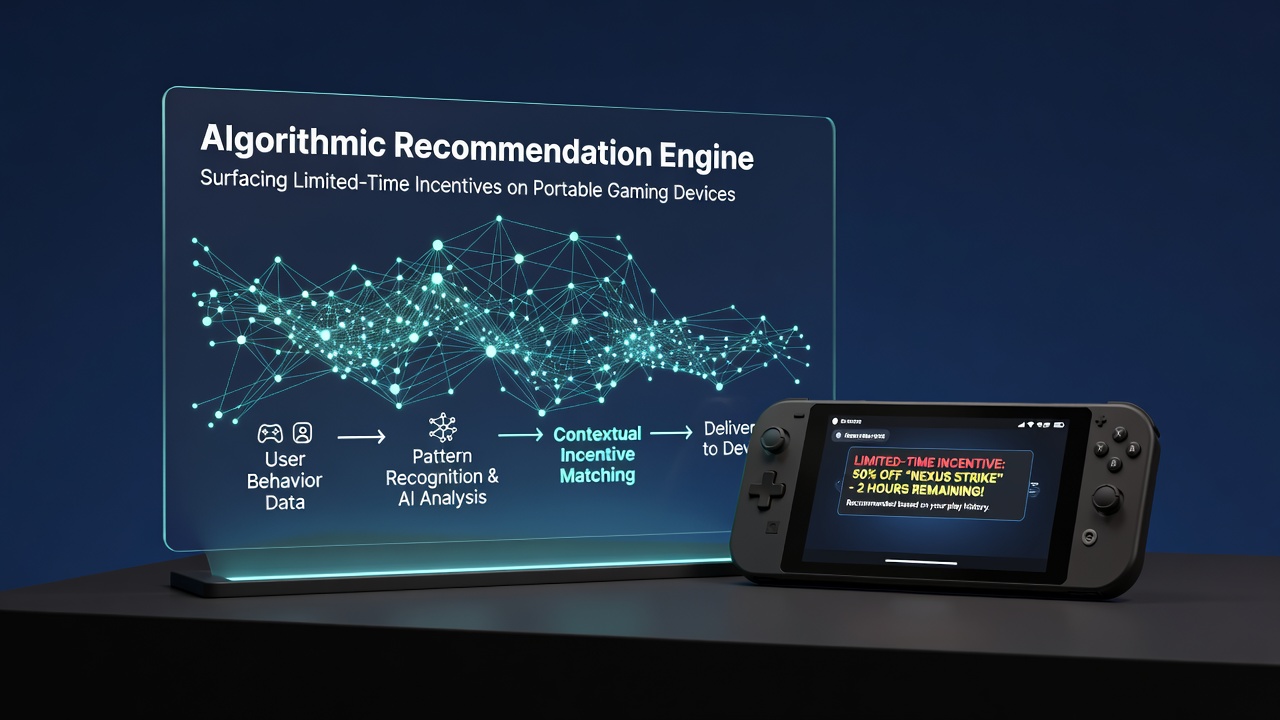
One case examined by academic teams at the University of Toronto involved tracking how engines adjusted incentive visibility for players who paused activity for several days, resulting in higher redemption rates when offers reappeared during peak evening hours. The same research revealed that algorithms factor in regional time zones so that global events maintain consistent urgency across different markets. Portable gaming applications often embed A/B testing frameworks that allow developers to measure how slight variations in offer presentation affect completion metrics without altering the underlying recommendation core.
Regulatory and Technical Safeguards
Government agencies in multiple regions require that recommendation engines provide users with options to reset preference data, which directly affects how future limited-time incentives appear. Reports from the European Data Protection Board document ongoing audits of these reset mechanisms on mobile platforms to ensure they function as described in privacy policies. Engineers implement rate-limiting controls within the algorithms themselves to prevent rapid cycling of the same offers, thereby maintaining perceived value across repeated user sessions.
Future Adjustments in Offer Surfacing
Industry reports project continued refinement of reinforcement learning techniques that allow engines to adapt offer timing based on immediate feedback from prior recommendations. These updates aim to align more closely with device usage patterns recorded during high-traffic periods such as November 2026 holiday releases. Integration with emerging hardware features, including advanced sensors in next-generation handhelds, may further refine the precision with which limited-time incentives reach targeted player segments.
Conclusion
Algorithmic recommendation engines on portable gaming devices continue to evolve their methods for identifying and presenting limited-time incentives through layered data analysis and adaptive modeling. Technical documentation from platform providers outlines the core components that govern offer visibility, while regulatory frameworks across regions establish boundaries on data handling practices. As device capabilities advance, the mechanisms that connect user behavior to time-sensitive rewards remain central to how these systems operate in practice.