8 Oct 2026
Inside the World of App-Based Gambling: How Bonus Codes Shape Player Experiences on Mobile Slots
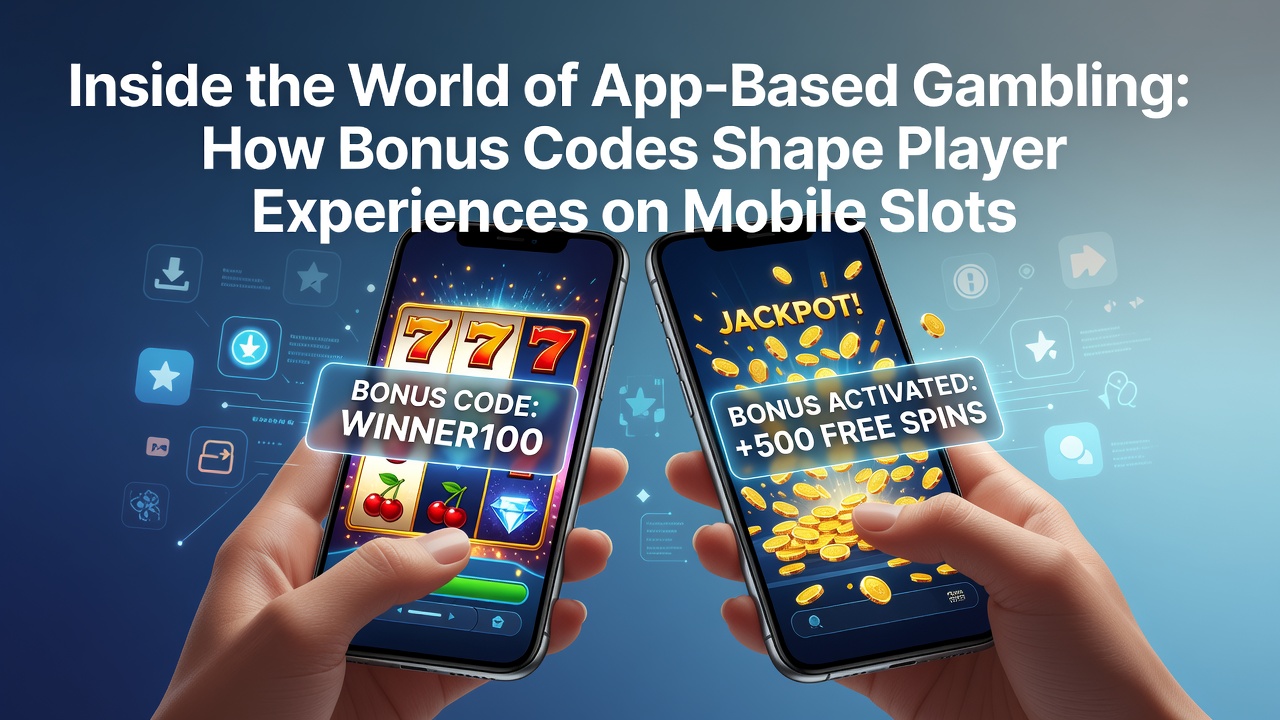
App-based gambling platforms have expanded rapidly since the mid-2010s, and bonus codes now serve as central tools that influence how players access and engage with mobile slot games. These alphanumeric strings unlock free spins, deposit matches, or cashback offers, yet their integration into smartphone applications creates distinct mechanics compared to browser-based sites. Observers note that bonus codes affect session length, game selection patterns, and overall retention rates across various operating systems.
Mechanics of Bonus Code Redemption in Mobile Applications
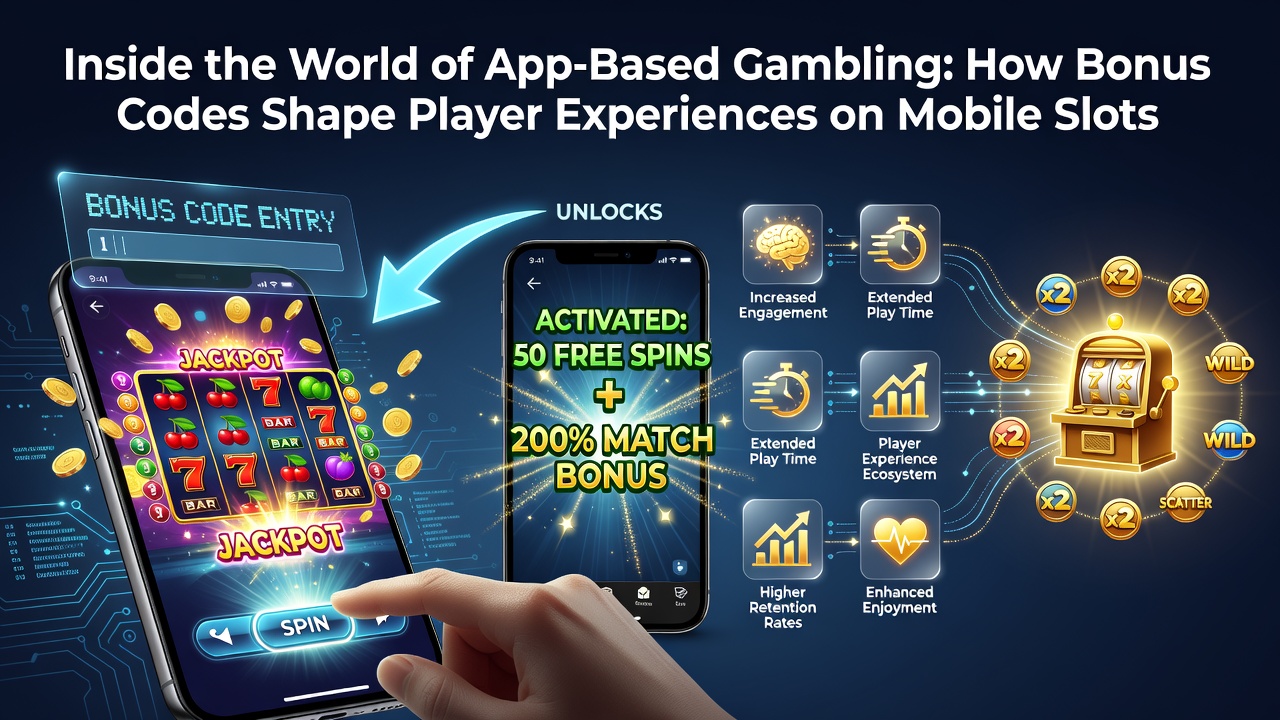
Developers embed bonus code fields directly into account dashboards within dedicated casino apps, allowing users to enter codes after registration or during active sessions. The process typically involves navigating to a promotions tab, pasting the code, and confirming eligibility through device-specific identifiers such as device ID or location data. Research indicates that successful redemptions trigger immediate updates to player wallets, with free spins credited to designated slot titles that often feature progressive jackpots or themed mechanics popular in October 2026 markets.
Platform operators program expiration timers and wagering multipliers into the code structure, which mobile software enforces automatically through backend servers. Players receive push notifications when codes near expiry, a feature that encourages quicker engagement with selected games. Data from industry tracking shows that codes tied to specific slot providers generate higher activation rates because they align with popular titles already installed on user devices.
Effects on Session Dynamics and Game Selection
Bonus codes steer player attention toward particular slot categories by restricting offers to games with predetermined return-to-player percentages or volatility levels. When a code activates additional spins on high-volatility titles, participants tend to extend play sessions while monitoring balance fluctuations more closely. Figures reveal that such targeted incentives correlate with increased interaction metrics during evening hours across North American and European app markets.
Operators adjust code availability based on regional preferences, so users in one jurisdiction encounter offers for classic three-reel slots while those elsewhere receive invitations to video slots with cascading reels. This customization occurs through geolocation filters embedded in the application code, which also account for local currency conversions and tax implications during payout calculations.
Security Protocols and Verification Processes
Mobile applications apply multi-factor authentication before processing bonus code claims to prevent unauthorized access or code sharing across multiple accounts. Fingerprint or facial recognition systems integrate with server-side checks that validate whether a code has already been used on the same device. Reports from regulatory bodies such as American Gaming Association document steady improvements in fraud detection rates following the adoption of these layered security measures.
Encryption standards protect data transmitted during code entry, while app stores enforce additional review cycles that examine how promotional features interact with payment gateways. These requirements have led developers to separate bonus code modules from core gameplay engines, reducing potential vulnerabilities that could compromise user funds or personal information.
Regulatory Developments Influencing Code Distribution
As of October 2026, several jurisdictions updated guidelines governing promotional mechanics within gambling applications, particularly those involving bonus codes tied to deposit requirements. Canadian authorities through iGaming Ontario introduced clearer disclosure rules that mandate visible display of wagering conditions before code activation. Similar updates appeared in Australian state frameworks, where operators must now log code usage statistics for compliance audits.
These regulatory shifts prompted developers to redesign notification systems so that players encounter full terms during the redemption sequence rather than in separate menus. Compliance teams monitor app updates to ensure bonus code functionality remains consistent with evolving legal standards across borders.
Conclusion
Bonus codes continue to function as structured incentives that direct player traffic within mobile slot environments while operating under tightening technical and legal constraints. Their design influences game selection, session timing, and security interactions in measurable ways that vary by region and platform. Ongoing adjustments by operators and regulators will likely maintain this balance between promotional access and responsible implementation standards.